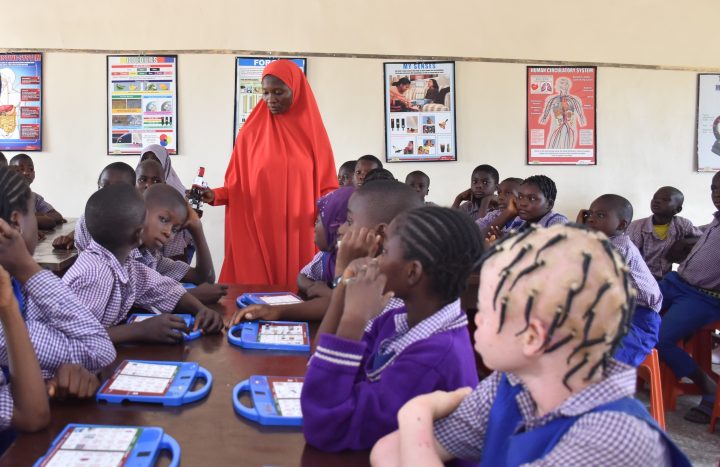
Skill “G” Nigeria Limited is a leading company in the promotion of Science, Technology, Engineering and Mathematics, as well as technical and vocational education in Nigeria and beyond.
Science, Technology, Engineering, and Mathematics (STEM) education is at the heart of innovation in the modern world. From artificial intelligence to climate technology, the industries shaping the future depend on people who can think critically, solve complex problems, and build new solutions.
Yet in many classrooms, STEM education still relies heavily on textbooks and memorization. While textbooks provide essential theoretical foundations, they cannot fully prepare students for the dynamic, problem-solving nature of real-world STEM careers.Globally, the countries producing the most successful innovators and high-performing students have adopted a different approach: STEM education that combines theory with hands-on learning, experimentation, and real-world problem solving.
The Limits of Textbook-Based STEM Learning
Textbooks are important because they introduce students to scientific principles, formulas, and foundational concepts. However, STEM disciplines are not static—they evolve through experimentation and discovery.
When education focuses primarily on memorization, students may perform well on tests but struggle with practical application. Skills such as innovation, critical thinking, creativity, and collaboration are difficult to develop through passive reading alone.
Learning by Doing: The Core of Effective STEM Education
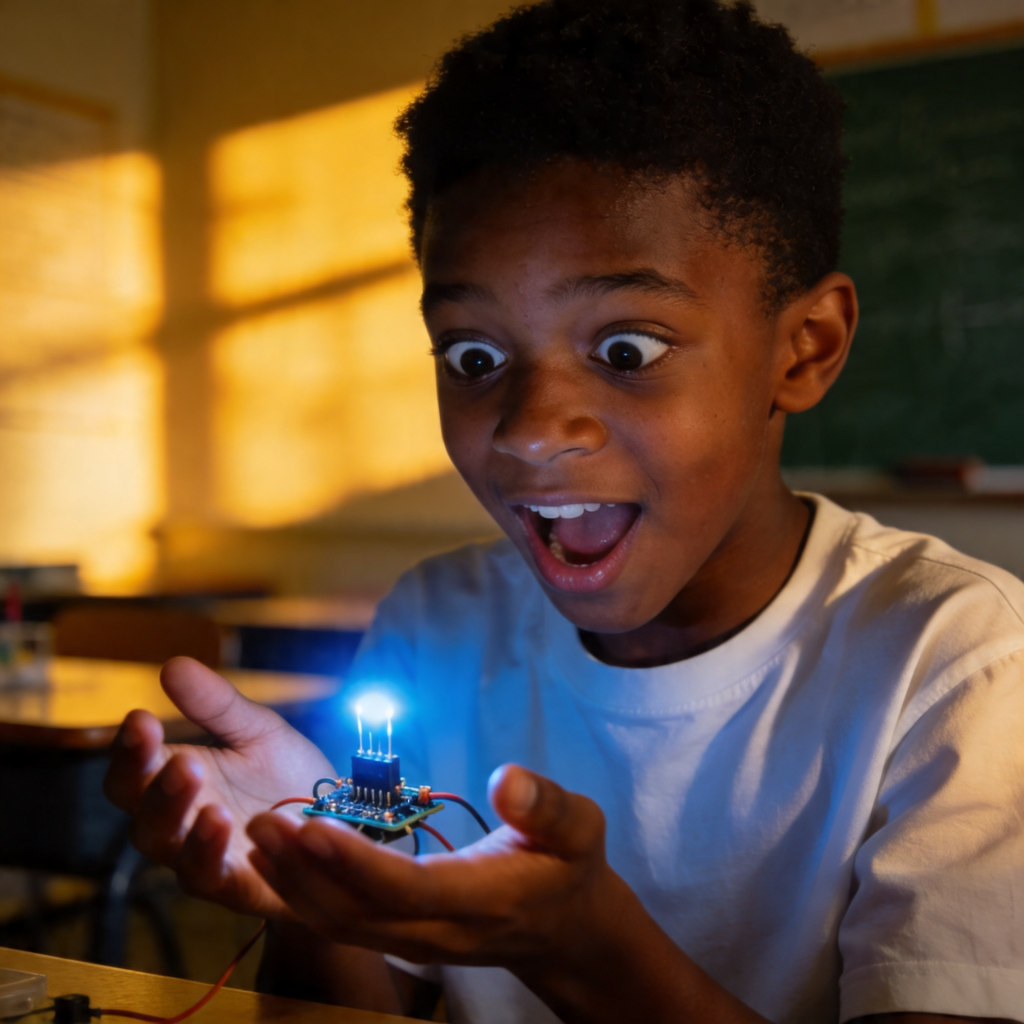
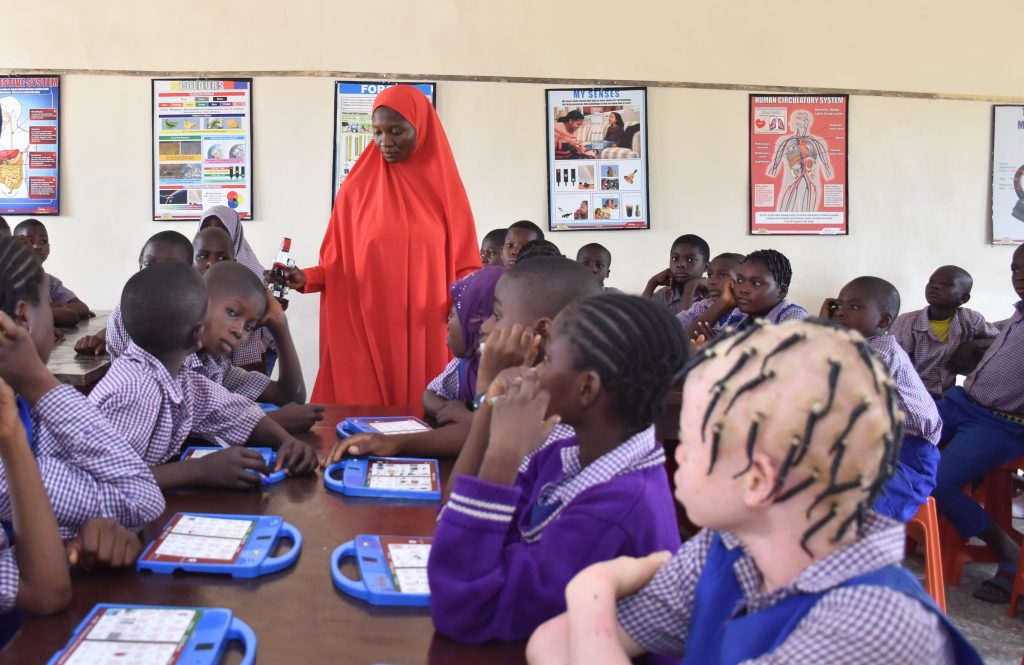
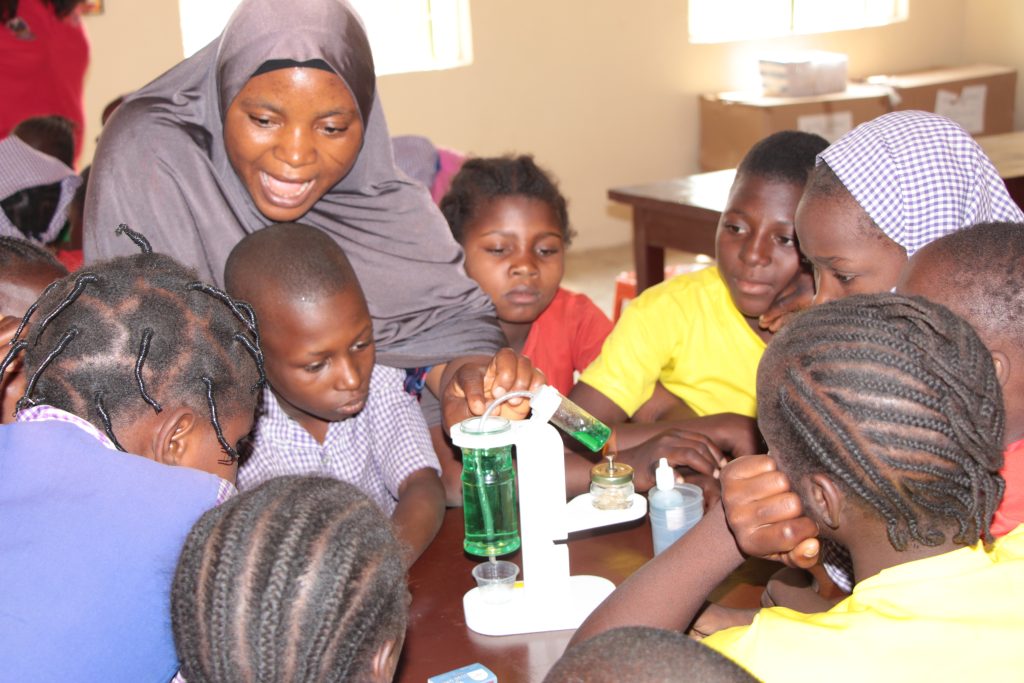
Hands-on learning allows students to apply theory to real situations. Whether it involves building robots, coding simple applications, conducting experiments, or designing engineering prototypes, experiential learning helps students understand not just what works but why it works.
This approach turns students into active problem-solvers rather than passive learners, significantly improving comprehension and long-term retention.
Research shows that inquiry-based learning models can increase academic performance by about 15% and student engagement by 20%, demonstrating the effectiveness of hands-on STEM approaches. (Frontiers)
Countries Leading the Way in Practical STEM Education
Several countries that consistently perform well in global education rankings have built their STEM systems around experimentation, creativity, and real-world application.
Finland: Inquiry-Based Learning and Innovation
Finland is widely regarded as one of the world’s most innovative education systems. Instead of focusing heavily on rote memorization, Finnish schools emphasize inquiry-based learning, where students explore concepts through investigation and projects.
This method has produced strong outcomes:
Finland consistently ranks among the top-performing countries in mathematics and science literacy globally. (link.springer.com)
Inquiry-based STEM learning in Finnish schools has been linked to a 15% improvement in academic performance and 20% higher student engagement. (Frontiers)
STEM enrollment in higher education has grown to 35.3% of tertiary students, exceeding the European Union’s target of 32%. (Publications Office of the EU)
Rather than simply teaching scientific facts, Finnish schools encourage students to ask questions, design solutions, and explore interdisciplinary projects.
Estonia: Digital Learning and Technology Integration
Estonia has emerged as one of Europe’s strongest education systems by embracing technology and digital learning in classrooms.
Students actively use digital tools and emerging technologies as part of everyday learning. The country’s commitment to integrating technology into education has produced remarkable results:
Estonia ranked first in Europe for mathematics, science, and creative thinking in recent international assessments. (theguardian.com)
Students are encouraged to use digital tools in classrooms and develop technology skills early. (theguardian.com)
This approach prepares students not just to consume technology, but to create and innovate with it.
Singapore: Rigorous STEM and Problem-Solving Culture
Singapore has consistently ranked among the top countries globally in mathematics and science. Its STEM curriculum combines strong theoretical foundations with structured problem-solving exercises and laboratory work.
Students are regularly exposed to real-world challenges and complex analytical problems. As a result, Singapore produces graduates with strong technical skills and analytical thinking abilities, fueling its growth as a global technology and innovation hub. (Than Institute | STEM Education Malaysia)
Global STEM Performance: What the Data Shows
International assessments such as the Programme for International Student Assessment (PISA) reveal a strong correlation between hands-on STEM education and student performance.
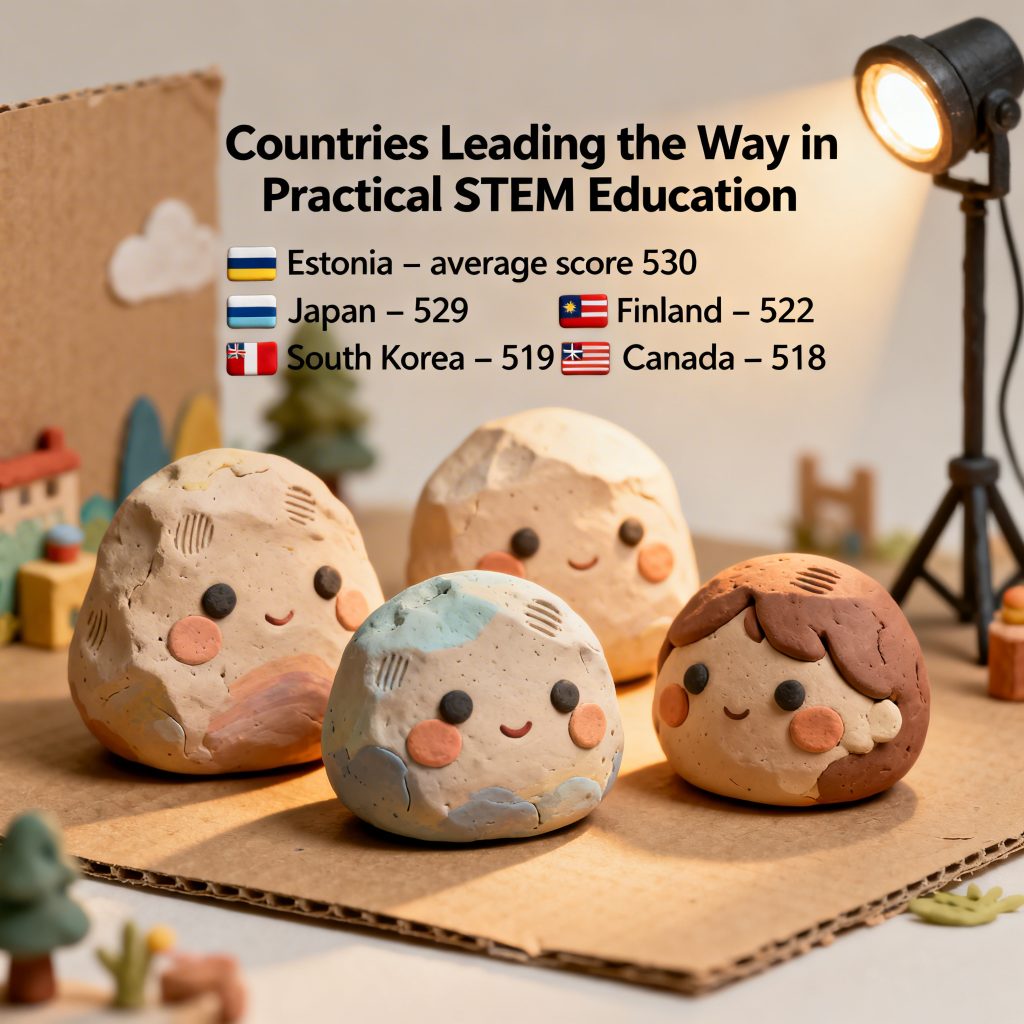
For example, recent PISA data shows top-performing countries in science literacy include:
Estonia – average score 530
Japan – 529
Finland – 522
South Korea – 519
Canada – 518
These scores are significantly higher than the OECD average of 489, reflecting stronger STEM competencies among students in these countries. (ncses.nsf.gov)Many of these high-performing systems share one key characteristic: learning environments that combine theory with practical application and critical thinking.
Preparing Students for Future Careers
Another reason STEM education must move beyond textbooks is the rapidly changing job market. Many of the careers students will enter in the future—such as AI engineering, biotechnology, robotics, and climate technology—are still evolving.
Employers increasingly seek graduates who can:
Solve complex problems
Work collaboratively
Apply technical knowledge in real-world scenarios
Adapt quickly to new technologies
Hands-on STEM education helps develop these competencies far more effectively than traditional lecture-based learning alone.
A New Vision for STEM Education
The future of STEM education lies in blending knowledge with experience. Textbooks should remain an essential foundation, but they must be complemented by:
Laboratory experiments
Project-based learning
Coding and robotics programs
Innovation labs and maker spaces
Industry partnerships and mentorship
These experiences transform learning from theoretical knowledge into practical capability.
Conclusion
STEM education has the power to drive economic growth, scientific discovery, and technological innovation. But unlocking this potential requires moving beyond traditional textbook-centered teaching.
Countries like Finland, Estonia, and Singapore demonstrate that when students are encouraged to experiment, build, collaborate, and solve real problems, the results are transformative.By embracing hands-on learning and innovation-focused education, we can equip the next generation not just to understand science and technology—but to shape the future with it.