The world of work is changing faster than ever. Industries are increasingly driven by technology, innovation, and digital transformation. Yet many schools still rely on traditional learning models that leave students underprepared for the realities of the modern workplace.
The question is no longer whether technical skills matter—it is whether schools are doing enough to equip students with them.
At Skill “G” Nigeria Limited, we believe that every student deserves access to practical, future-focused learning experiences that bridge the gap between education and industry. Through our innovative training programs, schools can empower learners with the technical competencies needed to thrive in the 21st-century economy.
Here are five clear signs that your school may need a technical skills upgrade.
1. Students Struggle to Connect Classroom Learning with Real-World Applications
One of the most common indicators of an outdated learning approach is when students constantly ask:
“When will I ever use this in real life?”
When learners fail to see how their education applies to real-world challenges, engagement declines and motivation suffers.
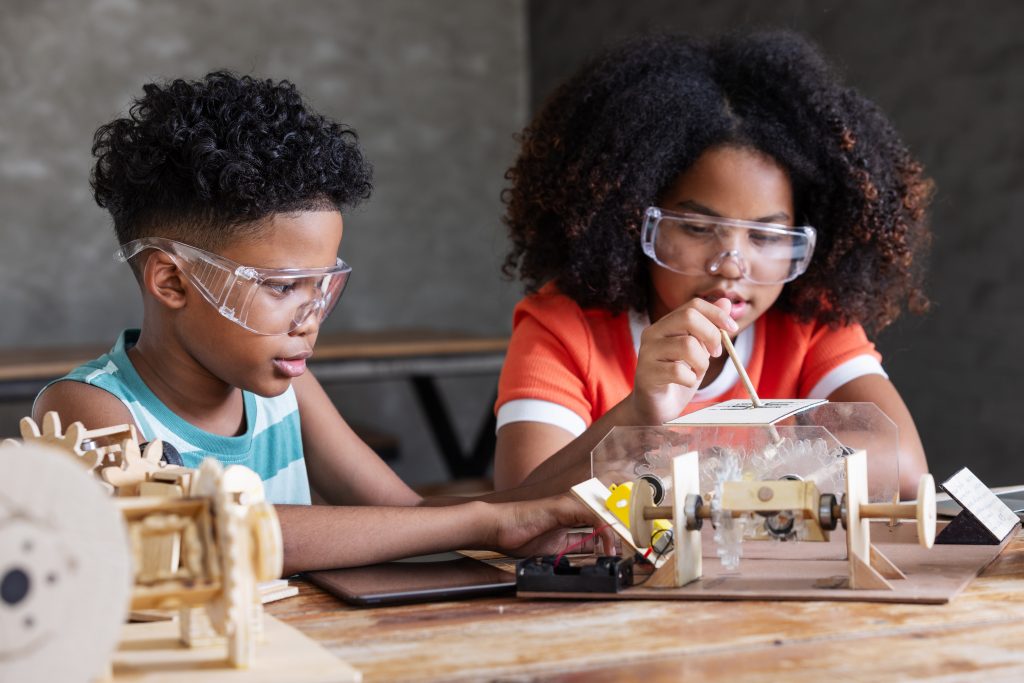
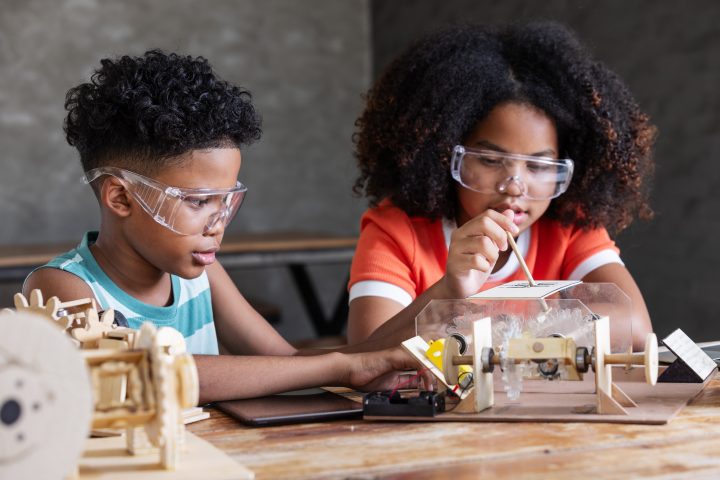
A technical skills upgrade introduces hands-on experiences that allow students to apply concepts in practical settings. Whether through coding projects, digital media production, robotics, design thinking, entrepreneurship, or emerging technologies, students gain a clearer understanding of how knowledge translates into impact.
How Skill “G” Helps
Skill “G” integrates practical learning experiences that connect academic concepts with real industry applications, helping students develop relevant skills while enhancing classroom engagement.
2. Your School’s Curriculum Has Not Evolved with Industry Trends
Technology evolves rapidly, and industries continuously adopt new tools and processes. If your school’s curriculum has remained largely unchanged over the past few years, students may be learning content that no longer reflects current workplace realities.
Employers increasingly seek candidates who possess:
- Digital literacy
- Problem-solving skills
- Data interpretation abilities
- Technical proficiency
- Creativity and innovation
- Collaboration skills
Schools that fail to incorporate these competencies risk creating a gap between education and employability.
How Skill “G”Helps
Skill “G” works with educational institutions to introduce industry-relevant technical skills programs that align learning outcomes with evolving workforce demands.
3. Students Graduate Without Portfolio-Worthy Projects
Grades are important, but employers and higher education institutions increasingly value evidence of practical capability.
If students complete their education without building meaningful projects, portfolios, prototypes, or practical demonstrations of skill, they may struggle to stand out in competitive environments.
A modern technical skills program encourages students to create tangible outputs such as:
- Digital products
- Multimedia content
- STEM projects
- Innovation challenges
- Community-based solutions
- Entrepreneurial ventures
These experiences build confidence while showcasing students’ abilities beyond examination scores.
How Skill “G” Helps
Through project-based learning frameworks, Skill “G” Nigeria Limited enables students to build practical portfolios that demonstrate creativity, technical competence, and problem-solving abilities.
4. Teachers Need Additional Support in Emerging Technologies
Educators are the backbone of any successful learning environment. However, many teachers were trained before today’s technological advancements became mainstream.
If teachers feel challenged by topics such as:
- Artificial Intelligence
- Digital content creation
- Coding and programming
- Data analytics
- Robotics
- Design software
it may indicate the need for institutional capacity building.
Investing in teacher development ensures that students receive high-quality instruction while fostering a culture of continuous innovation.
How Skill “G” Helps
Skill “G” provides professional development opportunities and technical training support that empower educators to confidently deliver future-focused learning experiences.
5. Students Lack Confidence in Future Career Opportunities
Students should leave school feeling prepared for the future—not uncertain about it.
When learners have limited exposure to practical technical skills, they often struggle to identify career pathways or understand how their talents align with emerging industries.
A strong technical skills ecosystem exposes students to:
- Career exploration opportunities
- Industry mentors
- Innovation challenges
- Entrepreneurship education
- Workforce readiness programs
This exposure helps students develop clarity, confidence, and ambition.
How Skill “G” M Helps
Skill “G” creates pathways that connect education with opportunity, enabling students to discover career possibilities while building the technical skills needed for long-term success.
Why Technical Skills Matter More Than Ever
According to global workforce trends, the jobs of the future will increasingly require a combination of technical expertise, critical thinking, adaptability, and digital competence.
Schools that embrace technical skills education today position their students to become:
- Future innovators
- Problem solvers
- Entrepreneurs
- Technology leaders
- Competitive professionals
The schools that succeed tomorrow will be those that prepare learners not only to pass examinations but also to navigate and shape a rapidly changing world.
The Skill “G” Advantage
At Skill “G” Nigeria Limited our mission is to bridge the gap between education and industry by equipping learners with practical, future-ready skills that drive innovation, employability, and lifelong success.
Our value proposition is simple:
We transform learning into practical capability by providing schools with industry-relevant technical training, project-based learning experiences, educator empowerment programs, and pathways that prepare students for the opportunities of tomorrow.
By partnering with Skill “G”, schools gain access to solutions that make education more relevant, engaging, and impactful.